Field Notes from the Anthropocene
An anthropologist's dispatches from the edges of ecology, grief, and the sacred.
Start Here
A Rhizomatic Exploration of Interconnectedness
“We are sculpted by the microbial companions that inhabit us, contributing to our symphonic cacophony with their unseen innovations and intelligent actions and adaptations. We, individual thinking, in-charge humans, just might choose whom we love, not because we love them, but because the microbes within us do. And in the tasting of another, in the strange mouth-to-mouth, we humans engage in when testing the waters of compatibility and attraction, we take in these unseen beings, and they move, silently, into the diversity of our organism. Becoming.”
A Story in Two Parts:
Glacier National Park (2)
Paying attention to the forest floor opens Everything here is interconnected. The reality is that everything everywhere is interconnected, but it becomes visible and alive when you kneel down and observe the undergrowth. What can we learn from this interconnection, these more-than-human dramas that take place out of our awareness and out of our notice? Life. Moving, shifting, becoming, breathing, living, and dying together for millennia. Most of the stories are untold.
Meaning-making through ordinary magic
My mother told me stories about this cycle, and I told them to my daughter, and together we tell them to Roma and Dahlia. As we pick berries together, babies strapped on milky chests and toddlers between our feet, we are weaving the fabric that saves us from the things that haunt us in the night. And as I navigate the many hauntings, I realize that this is what my mother did, too; we weave the fabric that holds us together when it seems all will come apart.
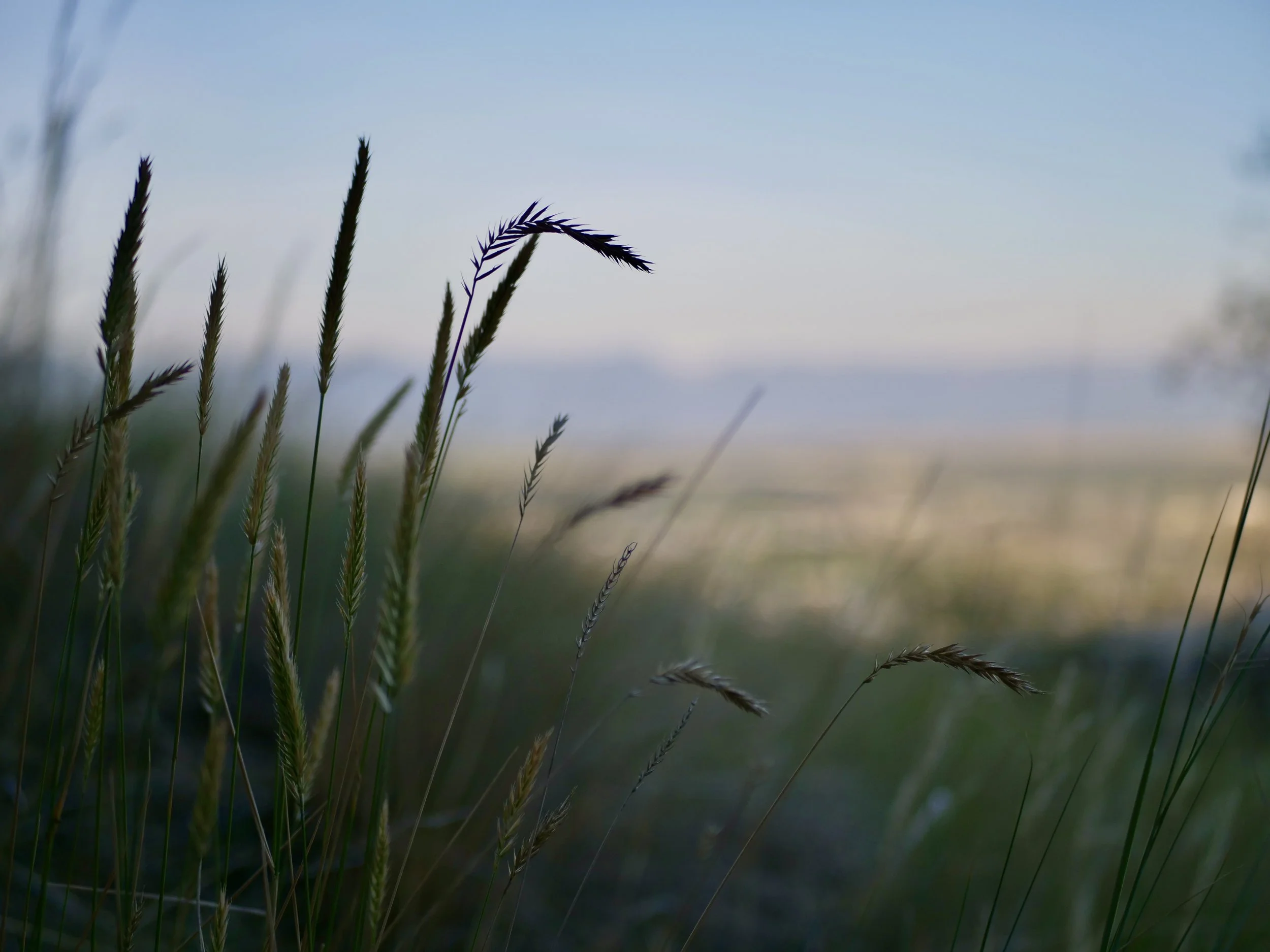
A Story in Two Parts: Two. Glacier National Park
Glacier National Park is a landscape not only sublime but also contested. It’s a place shaped by history, marked by displacement, and layered with the stories of the Blackfeet and other Indigenous peoples who lived, prayed, and hunted here. Walk with me through McGee Meadow and the Huckleberry Lookout Trail to explore wildness, memory, and belonging.
A Story in Two Parts: One. The Arboretum
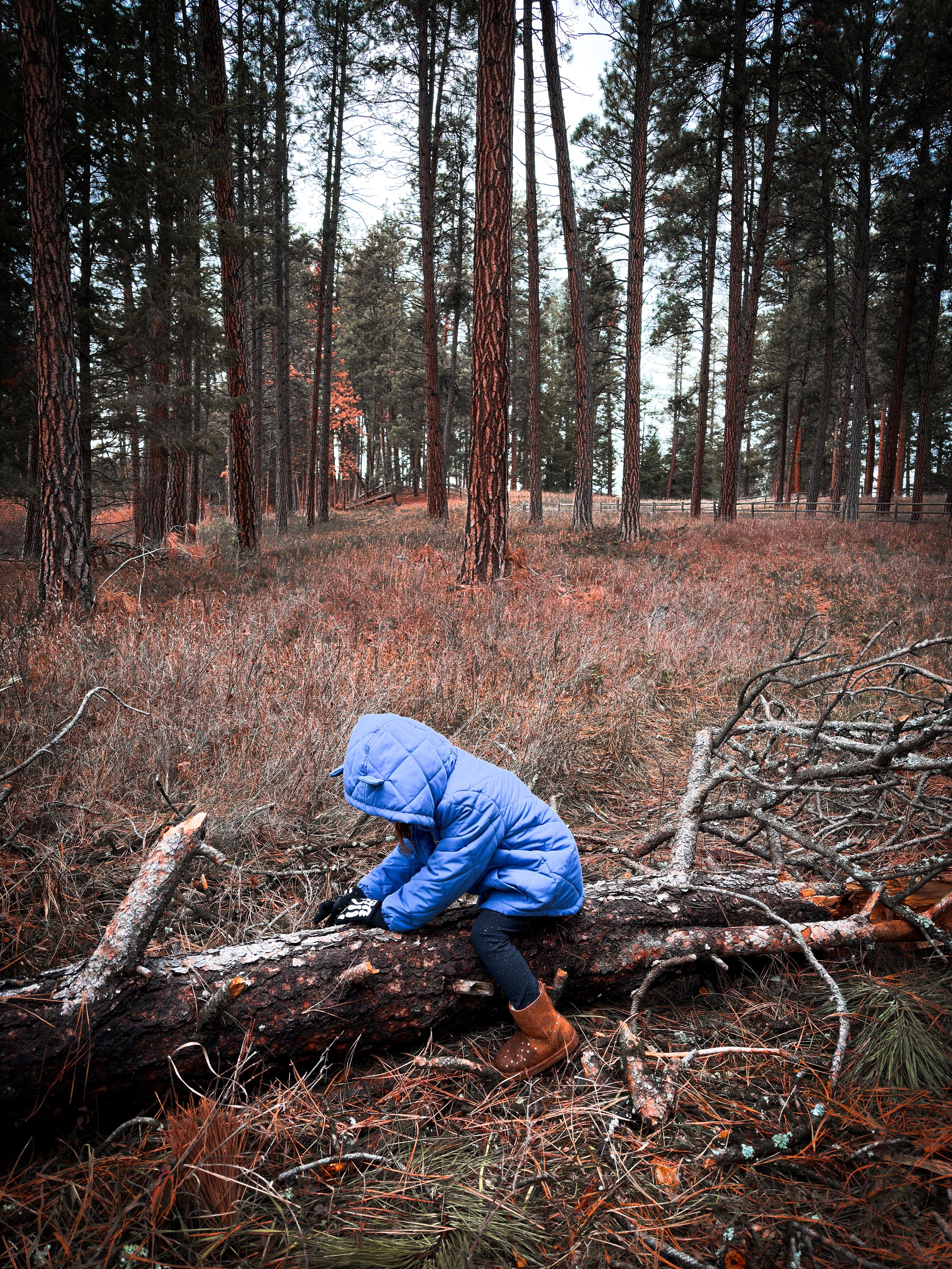
What is the difference between wild and tame? This article considers the way that spaces like an Arboretum provide both access to nature and a reminder that even cultivated landscapes can hold traces of wildness, inviting us to slow down, listen, and be present with the natural world.
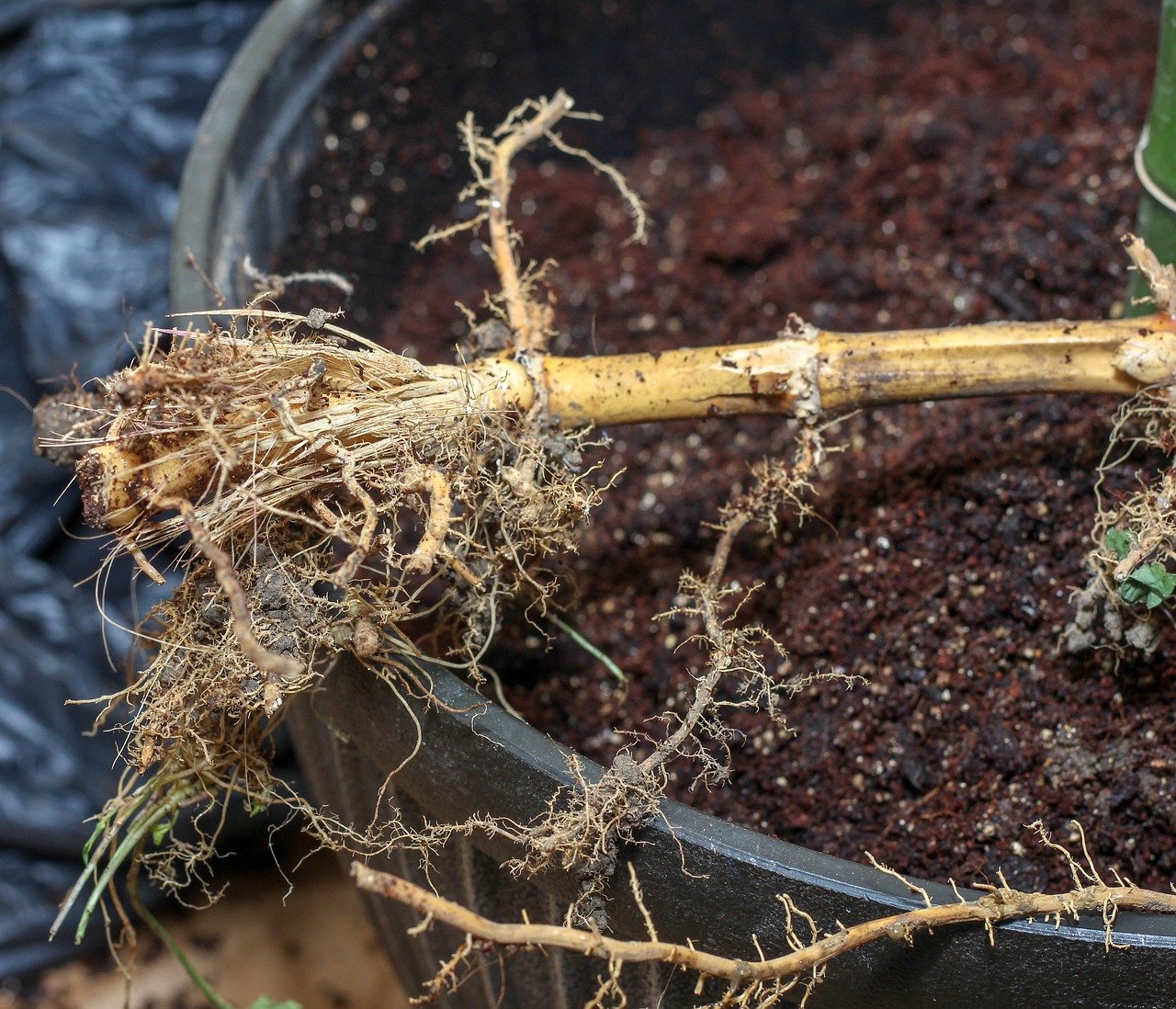
What is a Rhizome?
Life is complex, interwoven, and intimately interconnected in ways we can barely grasp. The rhizome offers a way of seeing the world not as fixed and hierarchical but as fluid, tangled, resilient. It is a framework for understanding how ideas, species, pandemics, and revolutions spread, how life forms and reforms, how connections—seen and unseen—shape our realities. In this piece, I explore what it means to embrace this perspective and why it might just hold the key to reimagining our relationships, our struggles, and even our futures.
A Note to Humanity: Reflections on the Illusion of Isolation
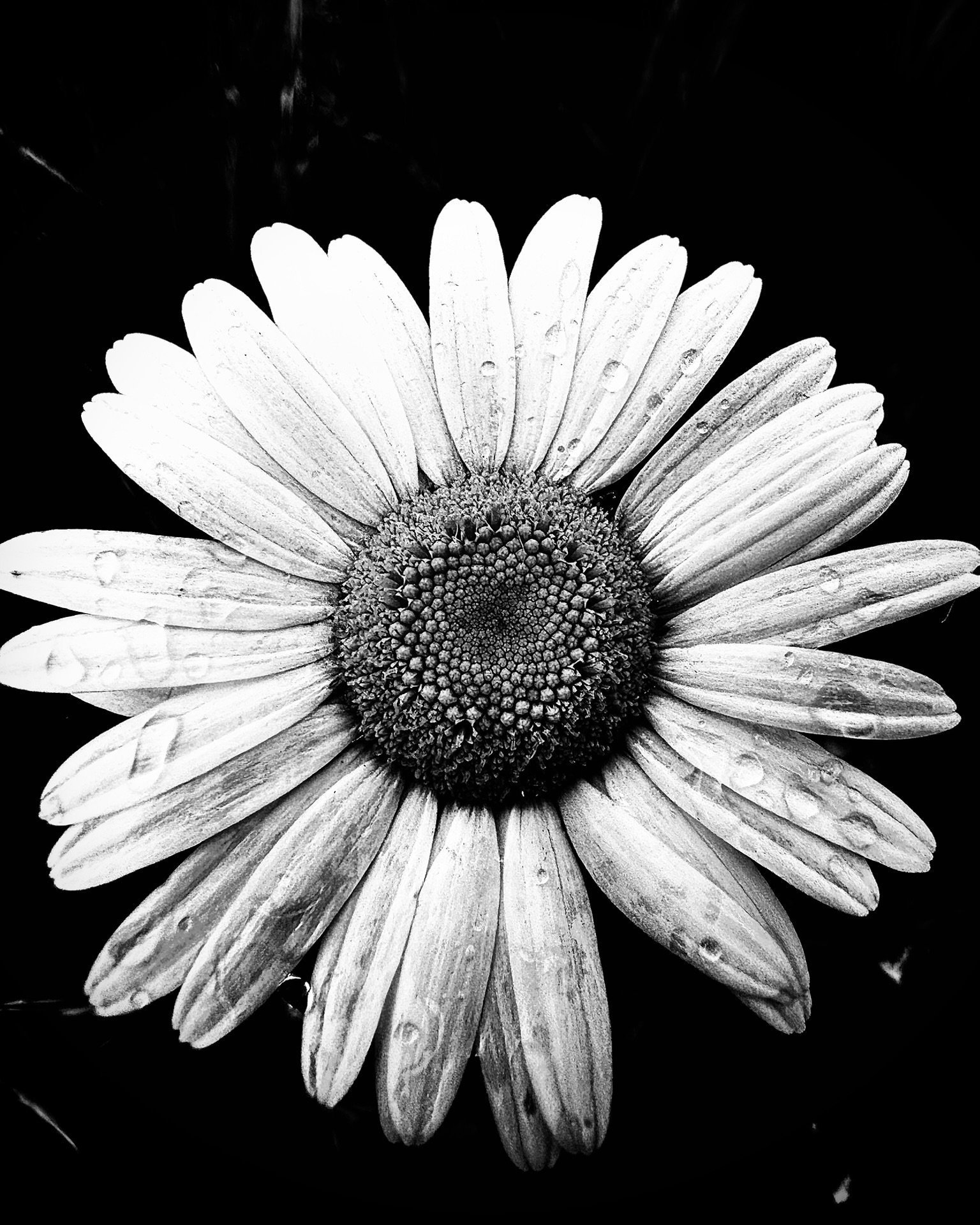
Daisies are my heartflower. I search for them everywhere—reminders of resilience in the mundane, proof that beauty isn’t solitary but communal. Once, I knelt before a daisy in the rain, believing myself to be alone. The sky was heavy, the world pared down to shades of black and white, as if grief itself had stripped the color away. But as I looked through my camera lens, it felt she knew she was being seen. And in that moment, I understood: I was not alone either.
Isolation is an illusion. We belong. Not as singular beings, but as multitudes, as part of a vast and living world. This multispecied, impossibly interconnected world is a companion, dissolving loneliness into something older, something wilder, something true.